Meet Gina
I build systems that detect when AI is producing the wrong thing.
Behind PixelKraze
I spent a decade inside one of the largest US telecom retention operations watching metrics improve while customer experience declined. Most organizations never find out why — because the data that would reveal the problem is the same data they're using to measure success.
So I built the instrumentation to catch it.
As a late-diagnosed AuDHD adult, I think in systems. I see the structural failures that standard analysis walks past. That cognitive profile produced the Trust Signal Health Framework, the System Integrity Index, and the AI Code Integrity Auditor — tools that detect when AI is optimizing toward the wrong outcomes, learning from corrupted signals, or generating code that looks correct while quietly failing.
PixelKraze exists because that problem is real, it is costly, and it is solvable.

Problems I Work On
AI systems learn from the data organizations give them. When that data is shaped by gaming, incentive distortion, or measurement failures — the AI learns the wrong thing and accelerates the damage.
I build detection systems that identify where metrics have decoupled from reality, where training signals have been corrupted, and where AI is optimizing toward outcomes that look good on paper but harm the people it serves.
My research is grounded in a decade of direct observation inside one of the largest telecom retention operations in the US — and validated through NovaWireless, a synthetic AI lab built to model exactly these failure patterns at scale.
From Spreadsheet to Insights
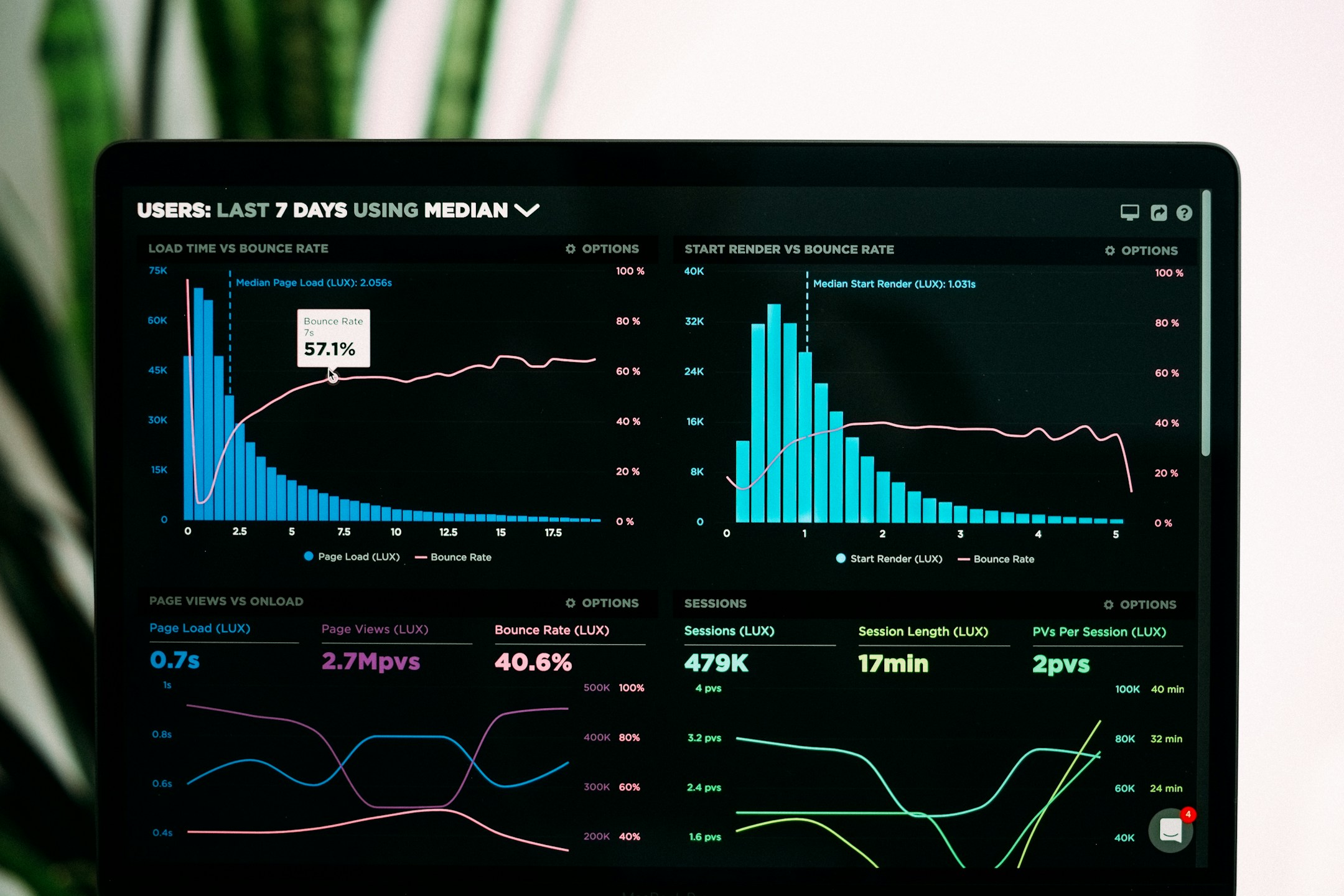
Real examples of charts and tables I build from spreadsheet/CSV exports—so you can compare KPIs, spot trends, and make decisions faster.
Privacy Note: No sensitive data needed—IDs only are fine.
Integrity Signal Profile: DAR / DRL / DOV / POR / TER
Bar chart showing all five DFDE governance signals normalized to a 0–1 scale. DAR and TER at ceiling, DRL elevated, DOV and POR low — the shape of this chart tells you whether a system problem is structural or behavioral before a single rep is reviewed.
System Integrity Index (SII) Gauge
Horizontal gauge showing SII = 45.1 in the Watch band. The SII is not a performance score — it is a velocity regulator that constrains proxy optimization when durable outcomes are diverging.
Credit Behavior Analysis: Frequency and Average Amount
Dual histogram showing credit rate and average credit amount distributed across 250 agents. The tight clustering with no outliers is the systemic signature — when everyone looks the same, the problem is in the architecture, not the individual.
Repeat Contact Rate by Rep
Area chart of 30-day repeat contact rate ranked across all 250 agents with the department average marked at 0.18. The smooth, gradual slope with no sharp outliers is the fingerprint of systemic drift — if bad actors were driving the signal, you would see spikes. You don't.

Want a second set of eyes on your data?
Tell me what decision you’re trying to make and what data you have. I’ll tell you what’s possible and what I’d recommend as a first step.
No sensitive data needed—IDs only are fine.
© 2026 PixelKraze, LLC
Copyright & Licensing
All original content, models, documentation, and frameworks on this site are the intellectual property of PixelKraze, LLC unless otherwise stated.
This work is licensed under the Creative Commons Attribution-NonCommercial 4.0 International License (CC BY-NC 4.0).
Commercial use, redistribution for profit, or incorporation into proprietary systems requires prior written permission.
Independent work using synthetic or public data. Not affiliated with or endorsed by any employer.